Best Posture Correctors for Desk Workers Over 40
If you’re over 40 and spend most of your day at a desk, you probably know that familiar ache – the tight neck, rounded shoulders, and lower-back stiffness that creeps in by mid-afternoon. You’re not alone. Recent surveys show that more than half of office workers experience regular back pain, with neck pain affecting 53.5%, lower back 53.2%, and shoulders 51.6%. For those of us in our 40s, 50s and beyond, years of sitting combined with natural changes in muscle strength and spinal flexibility make poor posture even more noticeable – and more uncomfortable.
The good news? You don’t need drastic changes or expensive equipment to start feeling better. A well-chosen posture corrector, used alongside simple ergonomic tweaks and gentle movement, can make a real difference. This guide – written from my own experience supporting patients in Imphal and beyond – explores the best options for mature desk workers in 2026, why they work, what to look for, and how to combine them with everyday habits for lasting comfort.
Let’s get you sitting taller, breathing easier, and moving with confidence again.
(Image: A professional over 40 hunched at a laptop, hand on neck – a common sight for many desk workers.)


H2: Why Posture Becomes a Bigger Issue After 40 for Desk Workers
After 40, our bodies change. Muscle mass naturally declines (sarcopenia), joints lose some cushioning, and years of forward-head posture from screens take their toll. Prolonged sitting – often 8–10 hours a day – weakens the deep core and upper-back muscles that keep us upright. The result? Rounded shoulders, forward head, and that “tech neck” that leads to headaches, fatigue, and even reduced lung capacity.
Studies from 2025 confirm that desk workers in their 30s and 40s are now seeing chronic issues once reserved for older age groups. Poor posture also affects digestion, energy levels, and mood – you feel heavier, less confident, and more tired.
A good posture corrector gently reminds your body of its natural alignment. It doesn’t “fix” you in one go, but it builds awareness and supports the muscles while they strengthen.
H2: What to Look For in a Posture Corrector When You’re Over 40
Comfort is everything at our age. You want something you’ll actually wear for 30–60 minutes at first, building up to longer periods.
Key features to prioritise:
- Breathable, adjustable fabric – Neoprene or mesh that moves with you, not against you.
- Gentle support – Figure-8 or clavicle designs that pull shoulders back without digging into underarms.
- Easy on/off – No complicated buckles that frustrate arthritic fingers.
- Discreet under clothes – Slim enough for office wear.
- Lumbar option – Extra lower-back support if you have existing disc issues.
Avoid anything too rigid – it can weaken muscles over time. The goal is training, not dependency.
(Image: Before-and-after view of a woman at her desk – slouched vs. tall, confident posture.)
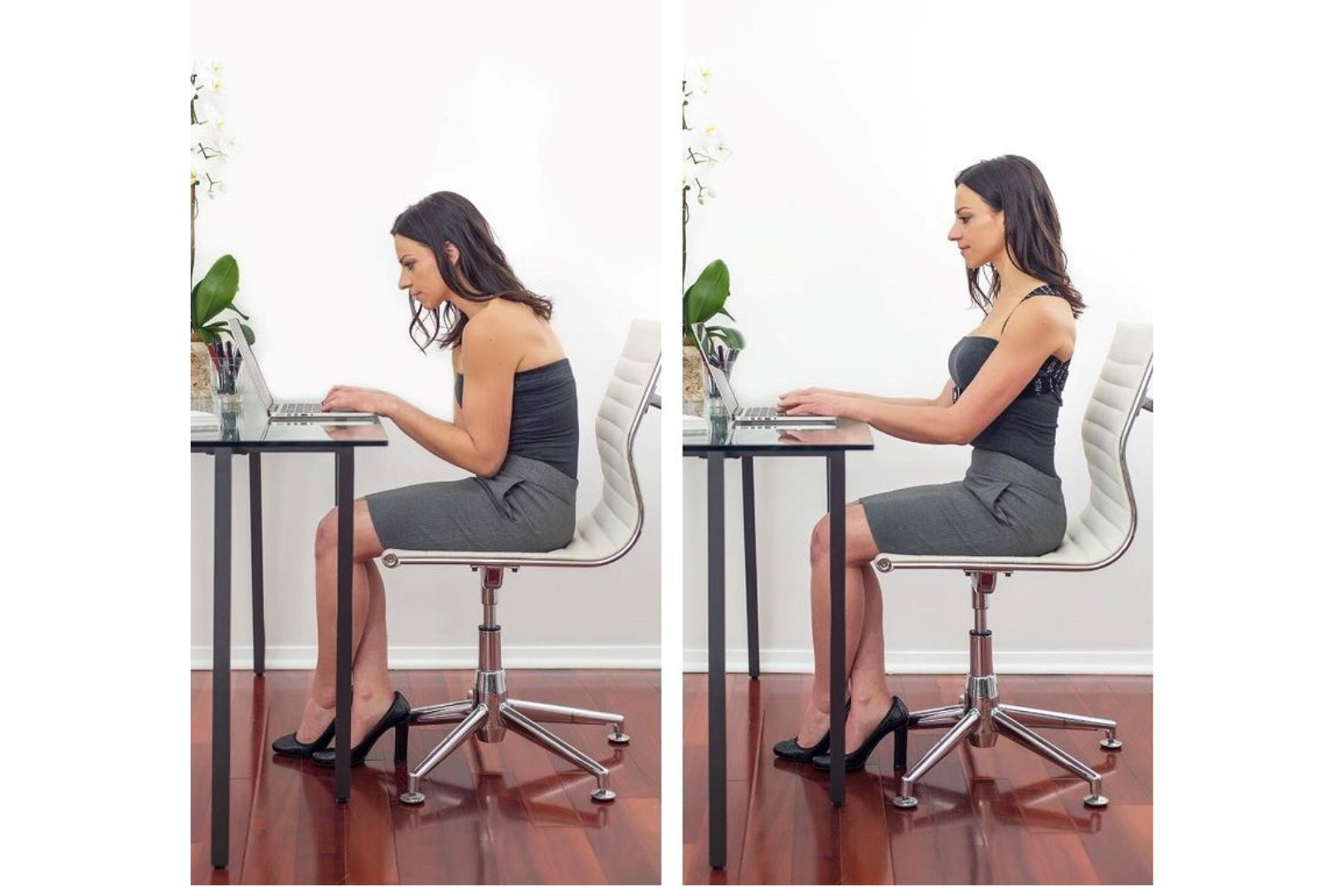
H2: Top Posture Correctors Recommended for Desk Workers Over 40 in 2026
After reviewing the latest options and feedback from real users over 40, here are standout choices:
Best overall for daily office use: Adjustable figure-8 braces with breathable padding. Many users in their 50s report less shoulder strain within two weeks.
Best smart option: Vibrating trainers (like updated Upright GO models) that gently buzz when you slouch – perfect for building awareness without constant adjustment.
Best for lower-back combo: Braces with lumbar support pads – excellent if you already have mild sciatica or disc wear.
Best budget-friendly: Lightweight, washable designs under £30 that still offer good adjustability.
Whichever you choose, start with short sessions and pair it with movement.
For additional natural support that works beautifully alongside a corrector – helping reduce inflammation and support overall spinal comfort – explore these gentle, plant-based options many of my patients love.
Click here to discover natural wellness aids that complement posture work
(Image: Woman wearing a modern, slim posture corrector while typing at her ergonomic desk.)
:max_bytes(150000):strip_icc()/posture-correctors-realsimple-GettyImages-1357526642-d445670820b14d21aaff3c80eb9997f8.jpg)
H2: Create an Ergonomic Desk Setup That Works With Your Corrector
A corrector is only part of the solution. Optimise your workspace:
- Monitor at eye level (top of screen at or just below eye height).
- Chair with lumbar support and adjustable height – feet flat, knees at 90°.
- Keyboard and mouse close enough that elbows stay at your sides.
- Stand and move every 30–45 minutes.
Simple changes like these, combined with a corrector, can dramatically reduce daily strain.
(Image: Clear ergonomic desk diagram showing correct monitor height, chair position and foot placement.)


H2: Gentle Desk-Friendly Exercises to Strengthen Posture Naturally
Do these 2–3 times a day (each takes under a minute):
- Shoulder rolls – 10 forward, 10 backward.
- Chin tucks – Gently pull chin back like making a double chin, hold 5 seconds.
- Seated cat-cow – Arch and round your back while seated.
- Wall angels – Stand against a wall and slide arms up and down.
- Doorway chest stretch – Open tight pectorals.
Consistency beats intensity. Many patients notice better energy and fewer headaches within 10–14 days.
(Image: Series of simple desk stretches being performed by a woman over 40.)
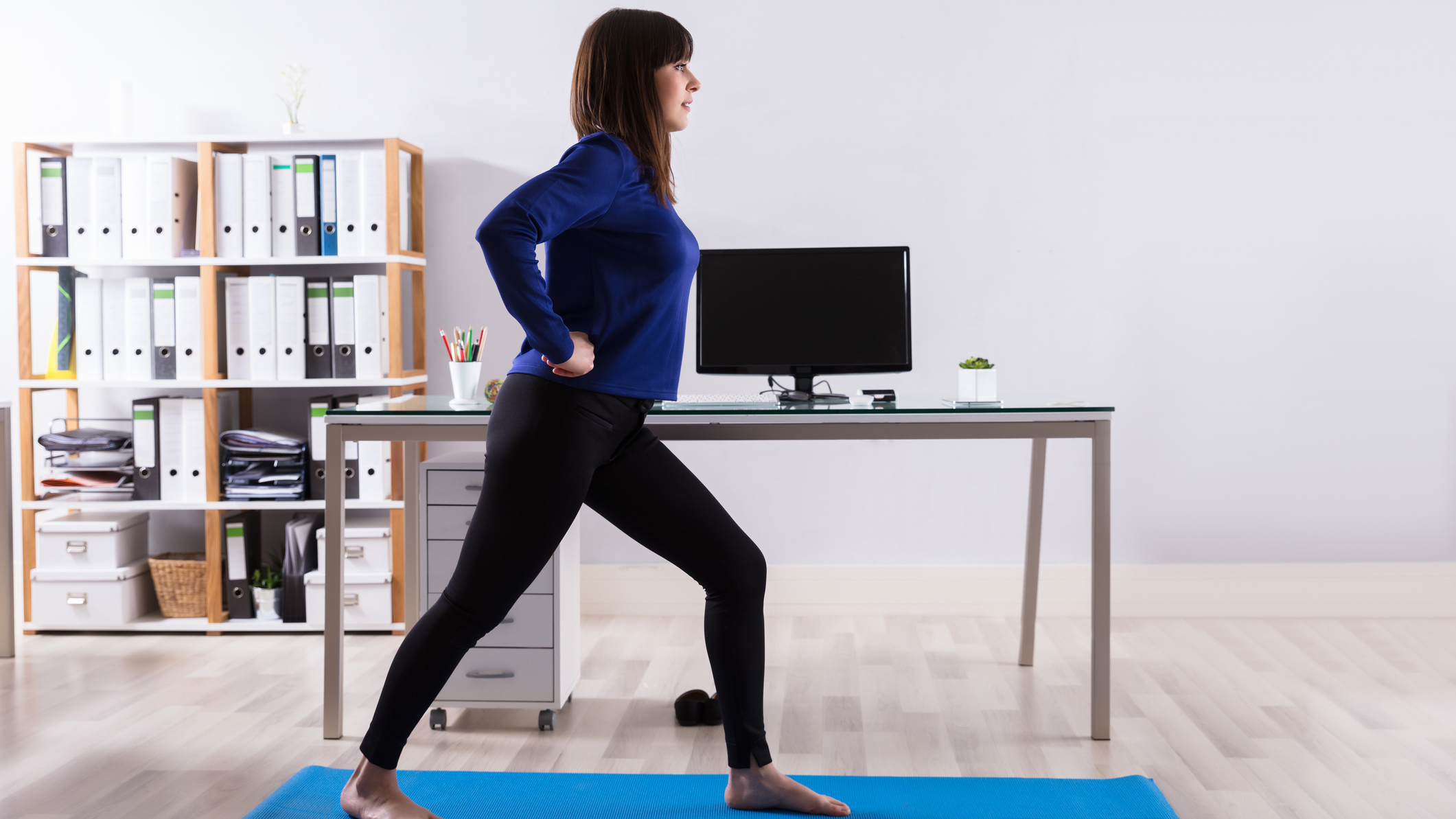

For deeper natural support that pairs perfectly with these movements and your corrector, many find relief through targeted herbal and wellness formulas.
Explore gentle, natural options here for lasting back comfort
H2: Real Stories from Desk Workers Over 40
“I’m 52 and work from home. After two weeks with a simple brace plus hourly stretches, my neck pain dropped from 7/10 to 2/10.” – Priya, accountant, Manipur.
“Started with the smart trainer. The gentle buzz reminded me to sit tall during long Zoom calls. My shoulders feel broader and stronger.” – Rajesh, 47, software engineer.
These aren’t overnight miracles, but small, daily wins add up.
(Image: Close-up of a comfortable, adjustable posture corrector showing breathable fabric and easy straps.)
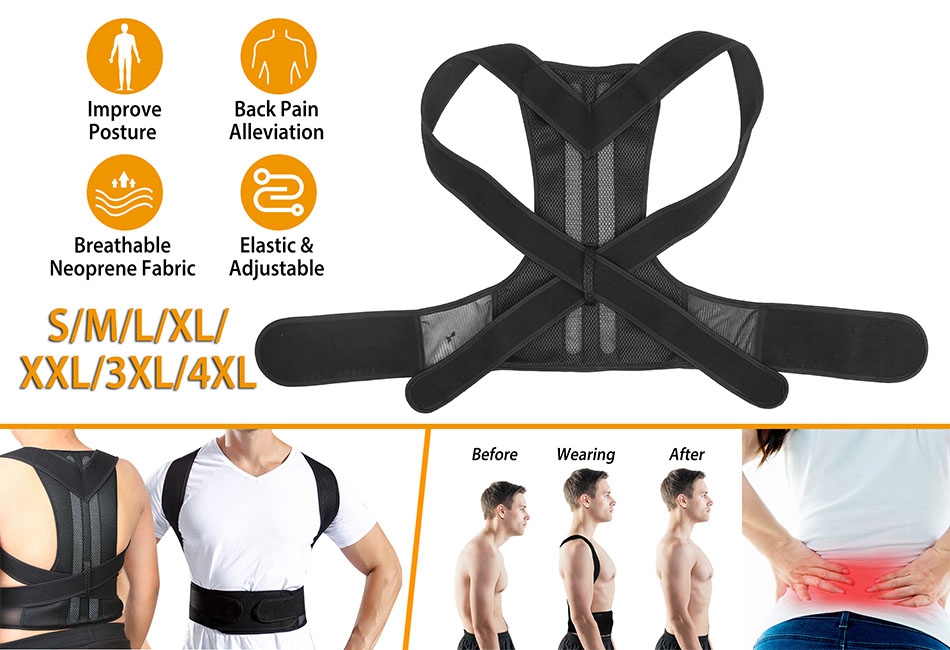
H2: Common Mistakes to Avoid
- Wearing it too long too soon (start with 20–30 minutes).
- Relying on the brace without strengthening exercises.
- Ignoring your chair and screen height.
- Choosing a cheap, non-adjustable model that pinches.
H2: Final Thoughts
Improving posture after 40 isn’t about perfection – it’s about feeling more comfortable, energetic, and confident in your own body. A good posture corrector, used wisely alongside ergonomic tweaks and gentle movement, can help you reclaim the ease of movement you may have taken for granted.
Start today with one small change: adjust your monitor, do three chin tucks, or order a comfortable brace. Your future self – and your spine – will thank you.
If you’d like more structured natural support for inflammation and overall vitality while you work on posture, these carefully chosen resources have helped many in my community.
Discover additional natural wellness solutions here
And for complete daily support that complements everything above, take a look at this final option loved by busy professionals.
Click to explore comprehensive natural health aids
FAQ
posted by doctorhazarika @ February 17, 2026
0 Comments


0 Comments:
Post a Comment
Subscribe to Post Comments [Atom]
<< Home