Fitness and Exercise: The Ultimate Guide to Reaping Health Benefits, Getting Started, and Improving for Life
Fitness & Exercise: Your Path to Better Health
Discover the life-changing benefits of exercise, learn how to get started safely, and unlock strategies to improve your fitness for life.
Start Your Fitness JourneyWhat Does "Being Fit" Really Mean?
According to the U.S. Department of Health and Human Services, true physical fitness isn't a single attribute but a combination of five key components:
The 5 Components of Fitness
- Cardiorespiratory Fitness: Your body's ability to supply oxygen to muscles during sustained activity
- Musculoskeletal Fitness: Your muscle strength, endurance, and power
- Flexibility: The range of motion around your joints
- Balance: Your ability to stay steady and avoid falls
- Speed: How quickly you can move
In practical terms, fitness translates to function. Can you carry your groceries, play with your kids, or climb stairs without pain or fatigue? That's fitness in action.

Types of Fitness: Building a Well-Rounded Routine
Aerobic (Cardio) Exercise
Aerobic exercise is the foundation of every fitness program. Also called cardiovascular exercise or cardio, this type of physical activity increases your heart rate and breathing rate.
Examples include brisk walking, running, cycling, swimming, and dancing.
Strength Training
Strength training is crucial for mobility and overall functioning, particularly as you age. "As you age, you lose muscle mass, which can significantly impact quality of life," says Dr. Robert Sallis.
Activities include lifting weights, using resistance bands, or bodyweight exercises.
Flexibility and Mobility
While often overlooked, flexibility (stretching muscles) and mobility (moving joints freely) are vital for preventing injury and maintaining function.

The Life-Changing Health Benefits of Exercise
"The one thing that will help prevent almost any type of disease is fitness." - Grayson Wickham, DPT, CSCS
Boosts Mood and Fights Depression
Regular exercise has been shown to be a buffer against depression and anxiety. Studies show it can help manage and even treat symptoms.
Promotes Restful Sleep
Habitual exercise helps you fall asleep faster and enjoy deeper, more restorative sleep.
Reduces Chronic Disease Risk
Fitness drastically lowers your risk of heart disease, type 2 diabetes, stroke, and certain cancers.
Helps Manage Existing Conditions
If you have osteoarthritis, high blood pressure, or other chronic conditions, exercise is a critical component of management.
Your Fitness Starter Pack: How to Get Moving
1. Break It Up
You don't need long gym sessions. Everything counts - a 5-minute walk, taking the stairs, or quick bodyweight exercises all contribute.
2. Start Low and Go Slow
Begin with what feels comfortable and gradually increase duration and intensity over weeks to prevent burnout and injury.
3. Embrace "Non-Exercise" Exercise
Playing with kids, gardening, dancing, and housecleaning are all legitimate forms of physical activity.
4. Schedule It
Treat your workout like an important, non-negotiable meeting to build consistency.
5. Consider HIIT
High-Intensity Interval Training is time-efficient and effective, with short bursts of activity followed by rest periods.
6. Phone a Friend
A workout buddy provides motivation, accountability, and makes exercise more fun.

Nutrition: Fueling Your Fitness
What you eat powers your performance and recovery:
Before a Workout
Listen to your body. A small snack of easy-to-digest carbs (banana) or carbs with protein (toast with nut butter) 30-60 minutes prior can fuel you up.
During a Workout
For sessions under 60 minutes, water is fine. For longer endurance exercise, aim for 30-60 grams of carbs per hour.
After a Workout
After high-intensity sessions, refuel with a mix of carbs and protein to replenish energy stores and repair muscle.
To maximize your results, consider supplementing your nutrition with quality products designed to support your fitness goals:
Disclaimer
This article is for informational purposes only and does not constitute medical advice. Always consult with a healthcare professional before starting any new exercise or nutrition program, especially if you have pre-existing health conditions.
Frequently Asked Questions
Start with mini movements! Take short walks, use the stairs, or do a few bodyweight exercises like squats while watching TV. The key is consistency, not intensity, when you're beginning.
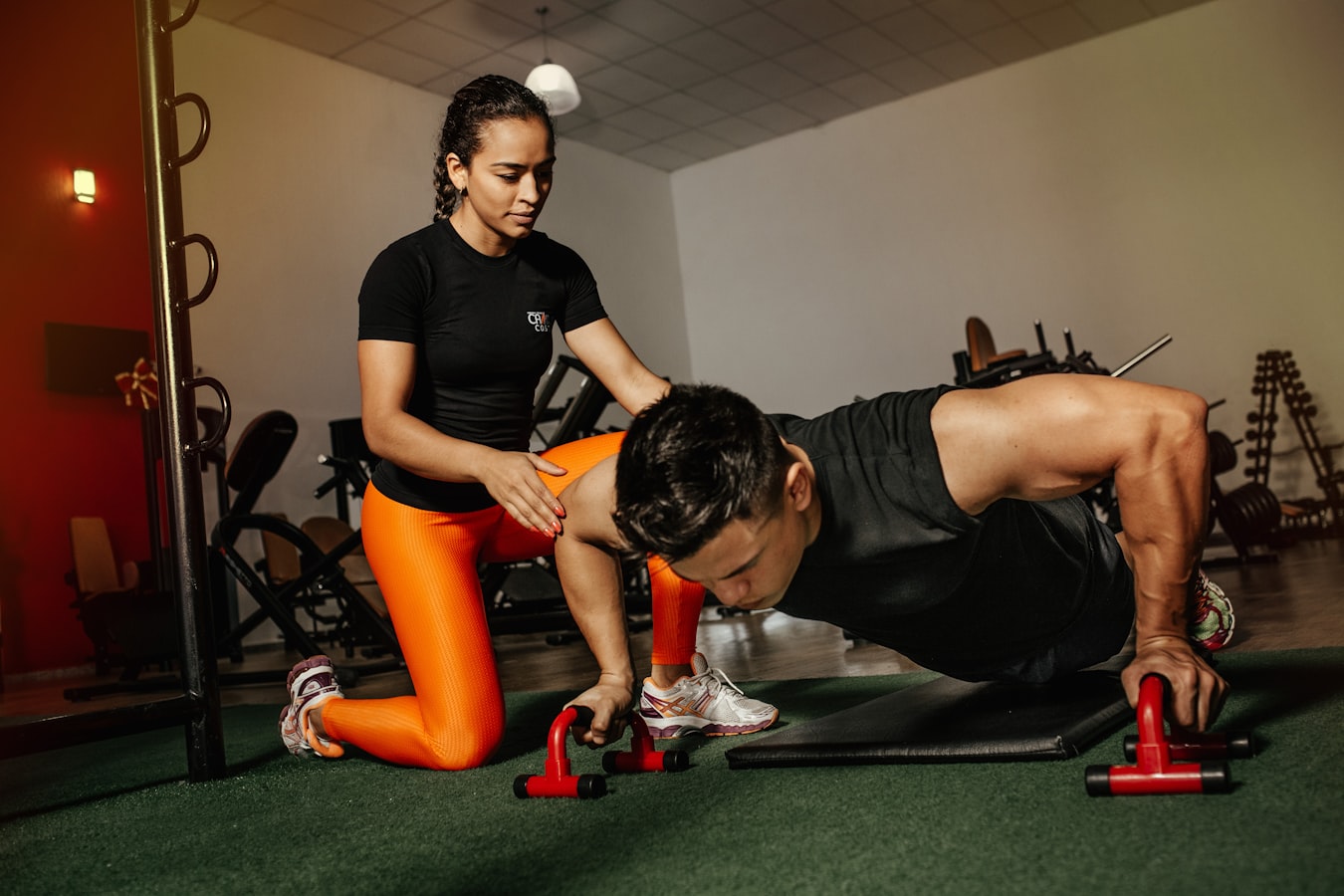
While not essential, a trainer can provide personalized form correction and programming, which is incredibly valuable for beginners and those with specific goals. If a trainer isn't in your budget, many excellent online resources can guide you.
Yes! The HHS recommends 150 minutes of moderate aerobic activity per week, which breaks down perfectly to 30 minutes, 5 days a week. This is enough to provide significant health benefits for most people.
Use the "talk test." During moderate-intensity activity, you should be able to talk but not sing. During vigorous activity, you won't be able to say more than a few words without pausing for breath.
Use the "neck rule." If symptoms are above the neck (runny nose, sneezing), light exercise is likely fine. If symptoms are below the neck (chest congestion, fever, body aches), rest is best.
Comments
Post a Comment