Back pain is something most of us will experience at some point in our lives. Whether it's a dull ache from sitting too long at a desk or a sharp twinge after lifting something heavy, it can really disrupt your day-to-day routine. In fact, it's one of the most common reasons people visit their doctor or take time off work. But the good news is that there are plenty of ways to manage and even prevent back pain without always needing drastic measures.
In this comprehensive guide, we'll explore everything you need to know about back pain – from what causes it to effective treatments and simple exercises you can do at home. We'll use straightforward language to keep things clear, and I'll share tips in a natural, conversational way, just like chatting with a friend who's been through it. By the end, you'll have practical advice to help ease your discomfort and get back to feeling your best. If you're dealing with persistent pain, you might also want to check out this innovative supplement that targets nerve-related issues – it's helped many people find relief: Discover Nerve Armor here. It's worth a look if standard remedies aren't cutting it.

Understanding Back Pain
Back pain can strike anyone, regardless of age or fitness level. It's often categorised into acute (short-term) and chronic (long-lasting) types. Acute back pain might last a few days to a few weeks, usually from a strain or minor injury. Chronic back pain, on the other hand, persists for three months or more and can stem from underlying conditions.
The back is a complex structure made up of bones, muscles, ligaments, and discs that work together to support your body and enable movement. When something goes wrong in this system, pain ensues. According to experts, most cases are mechanical, meaning they're related to how we move or hold ourselves, rather than serious diseases.
Common Causes of Back Pain
Let's dive into why back pain happens. Understanding the root cause is key to finding the right solution. One major culprit is muscle or ligament strain. This often occurs from repeated heavy lifting or sudden awkward movements, especially if you're not in top physical shape. For instance, constant strain can lead to painful muscle spasms.
Another common issue is herniated or bulging discs. These act as cushions between your vertebrae, but they can rupture or bulge, pressing on nerves and causing pain that might radiate down your legs. Arthritis, particularly osteoarthritis, is also a frequent cause, leading to the thinning of cartilage in the spine.
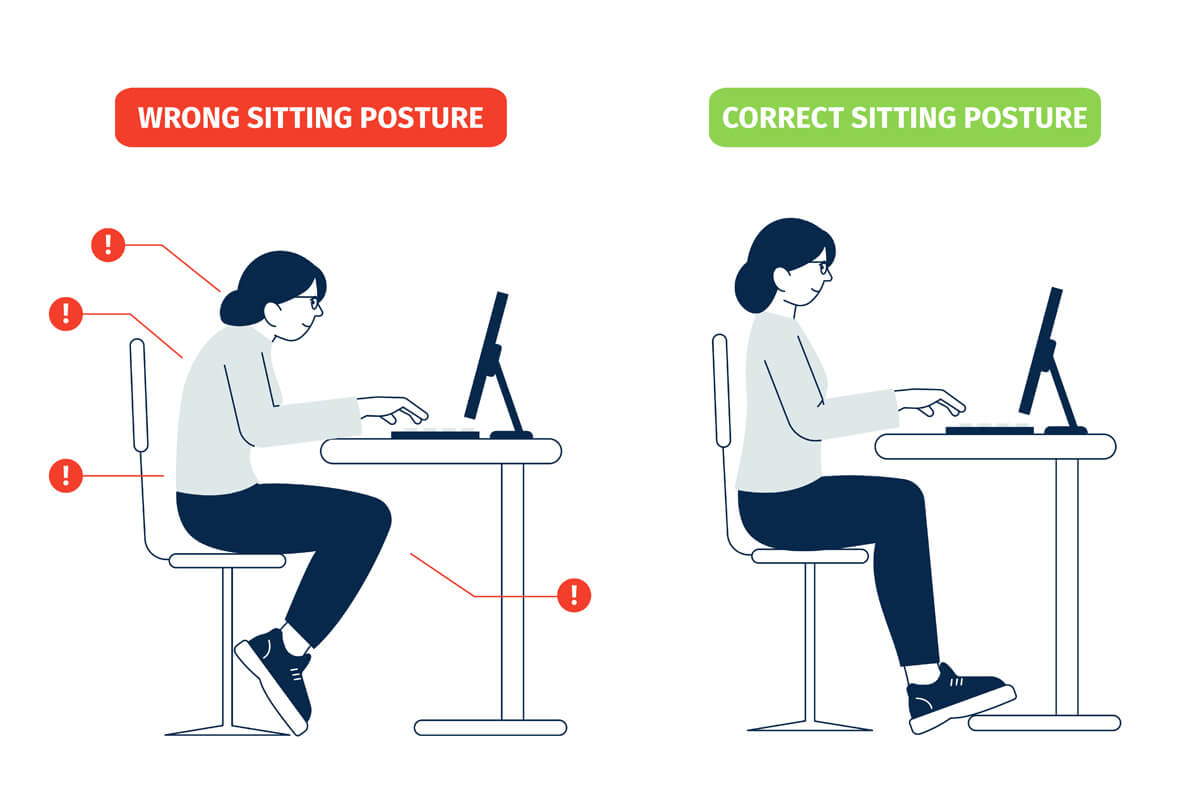
Poor posture plays a big role too. Slouching at your desk or hunching over your phone creates muscular fatigue and stresses your discs. Lifestyle factors like being overweight or sedentary can exacerbate this, as extra weight puts more pressure on your spine.
Other causes include spinal stenosis (narrowing of the spinal canal), scoliosis, or even infections and endometriosis in rare cases. Injuries from falls, sports, or accidents are obvious triggers, but repetitive stress from jobs involving lots of bending or twisting can build up over time.
If your back pain feels like it's nerve-related – maybe with tingling or numbness – supplements like Nerve Armor could be a game-changer. It focuses on rebuilding nerve health naturally. Why not give it a try? Click here to learn more about Nerve Armor.
Symptoms to Watch For
Back pain symptoms vary widely. It might feel like a constant ache, a burning sensation, or stabbing pain. Sometimes it worsens with movement, like bending or standing, and eases when you lie down.
Common signs include stiffness, reduced flexibility, and pain that spreads to your buttocks or legs (sciatica). In severe cases, you might experience numbness, tingling, or weakness in your limbs. If it's accompanied by fever, unexplained weight loss, or bowel/bladder issues, seek medical help immediately – these could indicate something more serious.
Effective Treatments for Back Pain
Treating back pain doesn't always mean surgery or strong medications. Many people find relief through conservative methods. Start with rest, but not too much – a day or two is fine, but prolonged inactivity can make things worse.
Over-the-counter pain relievers like ibuprofen can reduce inflammation and ease discomfort. Applying ice for the first 48 hours helps with swelling, then switch to heat for muscle relaxation.
Physical therapy is often the foundation for chronic cases. It includes exercises to strengthen your core and improve flexibility. Mindfulness and meditation can also help manage pain by reducing stress, which often tightens muscles.
For more advanced options, consider acupuncture, chiropractic adjustments, or massage therapy. If pain persists, your doctor might suggest injections or, rarely, surgery for issues like herniated discs.
Don't overlook natural supplements. If nerve damage is involved, something like Nerve Armor might address the root cause by supporting myelin sheath repair. It's backed by positive testimonials and a money-back guarantee. Explore Nerve Armor now and see if it's right for you.
While we're on pain relief, if shoulder issues are compounding your back problems, check out this unique program using gentle movements with Indian clubs: Try Ageless Shoulders for better mobility.

Exercises to Relieve and Prevent Back Pain
Exercise is one of the best ways to tackle back pain. It strengthens supporting muscles and boosts flexibility. Always consult a professional before starting, especially post-injury.
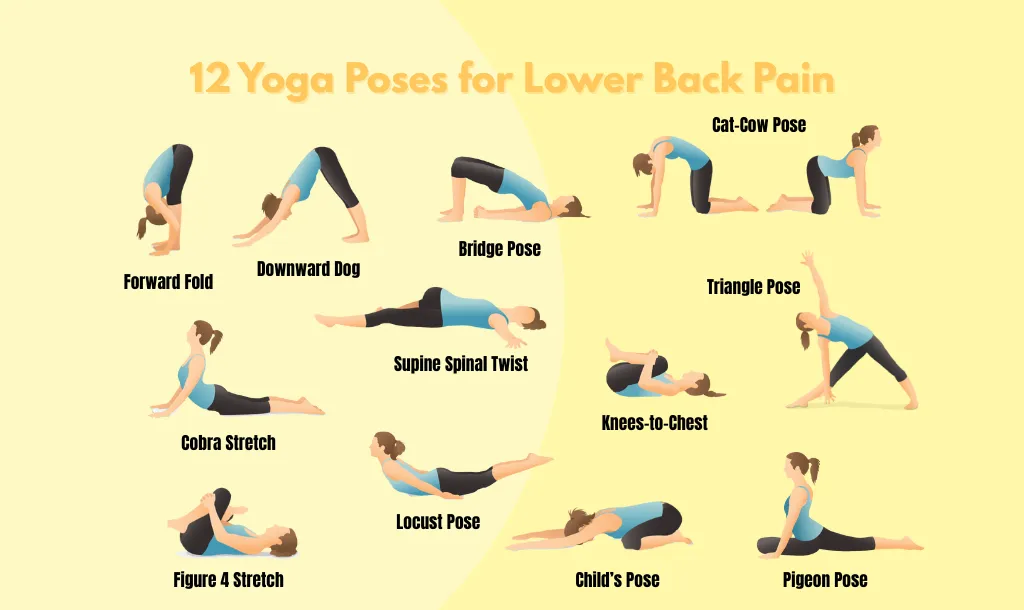
Here are some simple ones to try:
- Knee-to-Chest Stretch: Lie on your back, pull one knee to your chest, hold for 20 seconds, repeat on the other side. This eases lower back tension.
- Cat-Cow Pose: On all fours, alternate arching and rounding your back. Great for mobility.
- Bridge Exercise: Lie on your back, lift your hips to form a straight line from knees to shoulders. Strengthens glutes and core.
- Bird-Dog: From all fours, extend opposite arm and leg. Builds stability.
- Child's Pose: Kneel and stretch forward – perfect for relaxation.
Aim for 15 minutes a day, gradually increasing. Yoga and swimming are excellent low-impact options.

For more targeted relief, incorporate poses like Downward Dog or Cobra Stretch. If you're looking for something to complement these, the Ageless Shoulders program offers gentle routines that might help overall posture – click to find out more.
Prevention Strategies
Preventing back pain is easier than treating it. Start with maintaining good posture – stand and sit straight, with shoulders back. At work, set up an ergonomic workspace: screen at eye level, chair supporting your lower back.
Exercise regularly, focusing on core strength. Avoid heavy lifting; bend at the knees instead. Stay at a healthy weight and quit smoking, as it impairs blood flow to the spine.
Stretch daily to keep muscles flexible. Wear supportive shoes and sleep on a firm mattress.
If you're proactive, resources like Nerve Armor can help maintain nerve health and prevent flare-ups. Don't miss out – check it out today.
Natural Remedies for Back Pain
Beyond exercises, natural remedies can provide relief. Hot and cold therapy: Ice reduces inflammation, heat relaxes muscles.
Herbal options like turmeric (for its anti-inflammatory properties) or ginger tea might help. Massage with essential oils such as lavender can soothe tension.
A supportive diet rich in calcium and vitamin D strengthens bones. Stress reduction through meditation is crucial, as tension worsens pain.

For natural nerve support, Nerve Armor uses ingredients to combat pain at its source. See how it can help you.
When to See a Doctor
Most back pain improves with self-care, but see a doctor if it lasts over a few weeks, is severe, or includes red flags like numbness or fever. They might recommend imaging or specialist care.
FAQ
What is the most common cause of back pain?
Muscle strains from overuse or poor posture are the top causes.
Can exercises really help with back pain?
Yes, they strengthen muscles and improve flexibility, often easing symptoms. Try the ones mentioned, or enhance with Ageless Shoulders for related pain.
How can I prevent back pain at work?
Use ergonomic setups and take breaks to stretch.
Are there supplements for back pain?
Supplements like Nerve Armor target nerve issues. Learn more here.
When should back pain worry me?
If it's with leg weakness or incontinence, seek urgent care.
Can yoga help chronic back pain?
Absolutely, poses like those in our guide provide relief.
Final Thoughts
Dealing with back pain can be frustrating, but with the right approach – combining exercises, prevention, and treatments – you can regain control. Remember, consistency is key, and listening to your body prevents worsening issues. If you're ready for extra help, especially with nerve or shoulder-related discomfort, these resources are fantastic: Nerve Armor for nerve relief and Ageless Shoulders for mobility. Click through and start your journey to a pain-free life today.
Comments
Post a Comment