
Why Does Blood Sugar Spike 2 Hours After Eating?
Your glucose may look fine shortly after a meal and then rise later. Why does this happen?
The rise after eating can vary depending on the meal, digestion, activity, medications and individual glucose response.
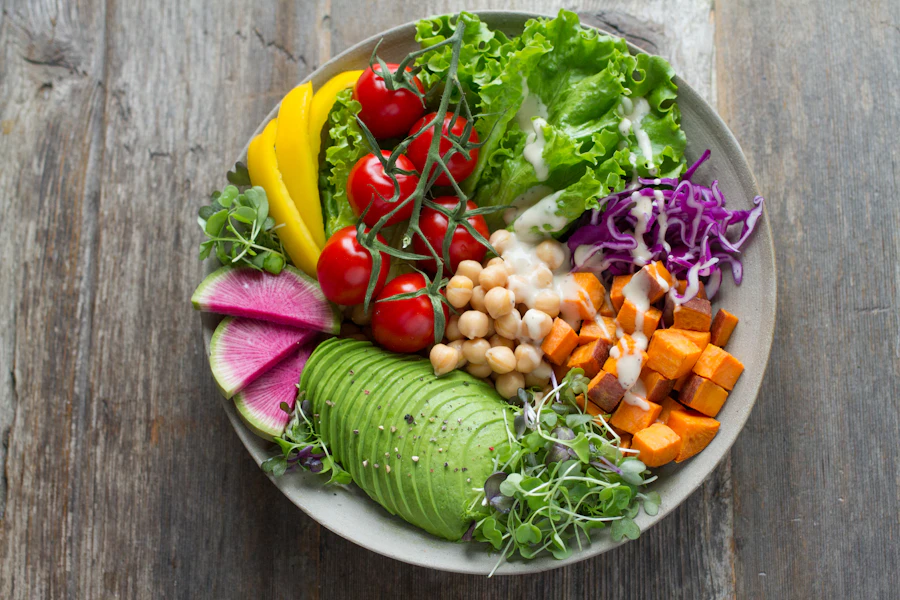
1. Digestion Takes Time
Food does not enter your bloodstream all at once. Digestion and absorption happen over time.

2. The Meal May Contain More Carbohydrates
The amount and type of carbohydrate in a meal can affect how much and how quickly glucose rises.

3. Portion Size Can Matter
Even nutritious foods can contribute to a larger glucose rise when the portion contains more carbohydrate than your individual meal plan allows.

4. Fat Can Change Meal Timing
Meals that are higher in fat can slow stomach emptying and may change the timing of the glucose response in some people.

5. What You Do After Eating Matters
Physical activity helps muscles use glucose. Sitting for a long period after eating may produce a different glucose response than light activity.

6. Your Medication Timing May Matter
For people using diabetes medication or insulin, the timing of treatment can affect glucose patterns after meals.
Never change insulin or medication timing or dosage on your own.

7. Look for a Repeated Pattern
One unusual reading does not necessarily explain your overall glucose pattern.

When Should You Ask for Help?
If your glucose repeatedly rises above your personal target after meals, discuss the pattern with your doctor or diabetes care team.

Want More Diabetes Tips?
Learn more about blood sugar management, nutrition, lifestyle habits and diabetes care.
READ THE FULL DIABETES GUIDEEducational information only. This Web Story does not replace medical advice.
Comments
Post a Comment