
Why You Crash After a Carb‑Heavy Lunch
You eat a simple‑carb lunch — white pasta, a bagel, a sugary drink — and within an hour you feel sudden, extreme fatigue. Your brain slows, your eyes get heavy, and you can barely focus.
This isn't "just a food coma." It's a predictable biochemical event: reactive hypoglycemia, or a post‑meal blood‑sugar crash.
The pattern is clear: the same meal, the same crash — every time.

How Simple Carbs Trigger the Crash
Simple carbohydrates — refined starches, sugars, white flour — break down almost instantly into glucose.
This is reactive hypoglycemia — the crash that hits 1–4 hours after a high‑carb meal. Not a "sugar high" — a sugar low.

Why the Fatigue Is So Extreme
Your brain uses about 20% of your body's glucose at rest. When insulin drives blood sugar down too quickly, neurons struggle to maintain energy‑dependent processes.
The result isn't just "tiredness." It's a measurable drop in cognitive performance: slower reaction time, poor concentration, and heavy mental fog.
High insulin also shifts the ratio of amino acids in your blood, letting more tryptophan enter the brain — which converts to serotonin, a calming, sleep‑promoting neurotransmitter.
A double hit: fuel shortage + sleep‑promoting brain chemistry.
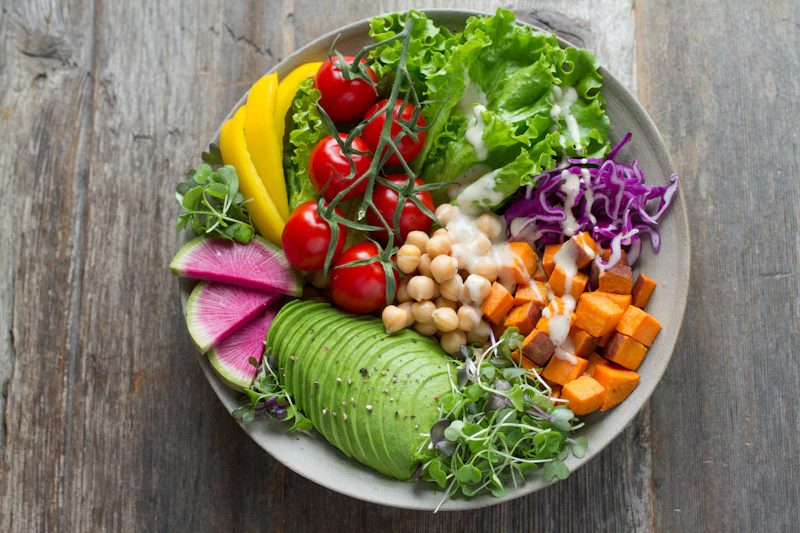
How to Reduce the Effects of a Sugar Crash
Already crashing? These steps help you recover faster — and stop the spiral.
- 💧Drink a large glass of water. Dehydration worsens fatigue and thickens blood sugar swings.
- 🥜Eat a small protein + fat snack. A handful of nuts, a boiled egg, or plain yogurt stabilizes blood sugar without another spike.
- 🚶Take a 10‑minute walk. Light movement helps muscles absorb glucose without more insulin.
- 🌬️Get fresh air and daylight. Bright light and cool air increase alertness within minutes.
- 🚫Do NOT eat more sugar. The candy bar "fix" causes another spike — and a worse crash later.
- 😴If you can, rest 15–20 minutes. A short power nap (not longer) can reset your energy without ruining nighttime sleep.
Avoid caffeine on an empty stomach during a crash — it masks the problem and worsens the next dip.

Prevent the Crash Before It Starts
The goal: slow the glucose rise so insulin doesn't overshoot.
- ✓Add protein & fat to every meal. They slow digestion and blunt the spike.
- ✓Choose complex carbs. Whole grains, beans, and fiber‑rich vegetables instead of white bread, pasta, and sugary drinks.
- ✓Eat smaller, more frequent meals. Avoid large starch portions in one sitting.
- ✓Walk for 10 minutes after eating. Movement helps muscles take up glucose.
- ✓Never start a meal with sugar. Skip the sweet roll or juice before the main course.
Deeper reading: Diabetes Demystified · Post‑Pill Hair Guide on Holistic Wellness USA.
Comments
Post a Comment